 Pin it
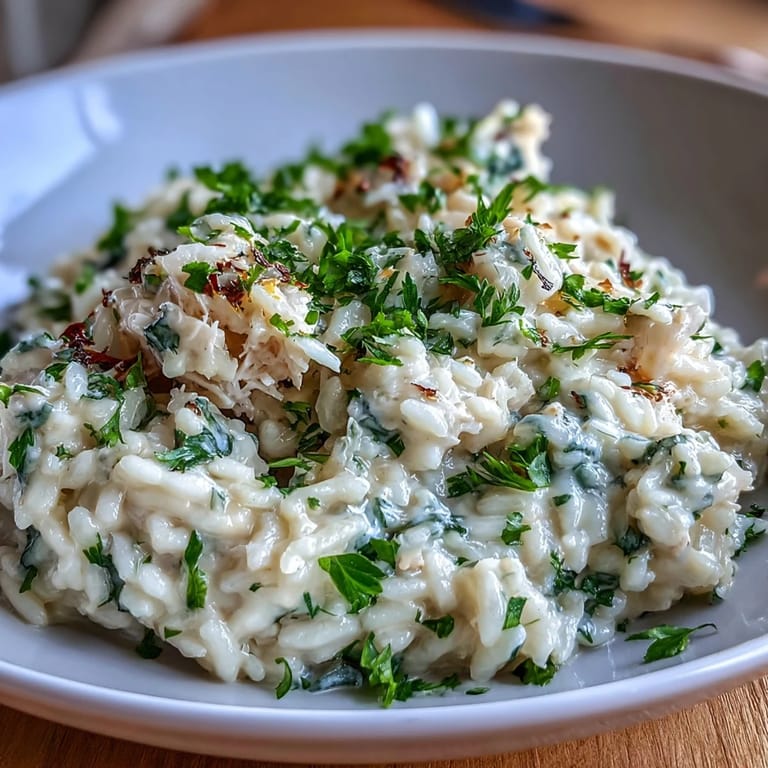
 The smell of smoked haddock poaching in milk took me straight back to a tiny kitchen in Edinburgh, where a friend taught me this dish on a drizzly Sunday afternoon. We'd been talking about comfort food that didn't feel heavy, and she pulled out a packet of pale, undyed haddock with a knowing smile. The rice bubbled away while we sipped wine and laughed about past cooking disasters. By the time we sat down to eat, the windows were fogged and the risotto was perfect: creamy, delicate, and just smoky enough to feel like a hug in a bowl.
I made this for my parents once after a long day of helping them move furniture, and my dad, who usually prefers plain grilled fish, went back for seconds without a word. My mum kept asking what made it taste so good, and I realized it was the poaching milk folded back into the rice, carrying all that delicate smokiness with it. We ate it straight from the pan, standing around the kitchen island, too hungry and tired to bother with proper plating. It became one of those meals you remember not because it was fancy, but because it felt exactly right in the moment.
Ingredients
- Smoked haddock fillets: Look for undyed fillets, they taste cleaner and won't turn your risotto an unnatural yellow, and always check for any sneaky bones before flaking.
- Whole milk: This is your poaching liquid and later becomes part of the risotto base, lending a silky richness you can't get from stock alone.
- Fish or vegetable stock: Keep it hot in a separate pan so it doesn't cool the rice down when you add it, which helps maintain that steady simmer.
- Arborio or Carnaroli rice: Arborio is easier to find, but Carnaroli holds its shape a bit better if you can get it, either way, don't rinse it or you'll wash away the starch that makes risotto creamy.
- Onion, garlic, and leek: This trio builds a sweet, aromatic base without competing with the fish, just make sure everything is finely chopped so it melts into the background.
- Butter and olive oil: The oil stops the butter from burning, and that initial butter adds a richness that olive oil alone can't quite match.
- Parmesan cheese: Freshly grated is non-negotiable here, the pre-grated stuff doesn't melt the same way and can make the texture gritty.
- Flat-leaf parsley and lemon zest: These go in at the very end to keep their brightness intact, the zest especially wakes up the whole dish with just a few scrapes of the grater.
- Black pepper and sea salt: Season carefully, the haddock and Parmesan are already salty, so taste before you add more.
Tired of Takeout? 🥡
Get 10 meals you can make faster than delivery arrives. Seriously.
One email. No spam. Unsubscribe anytime.
Instructions
- Poach the haddock:
- Slide the fillets into a pan of milk and bring it up to a bare simmer, just a few lazy bubbles around the edges. After 5 to 7 minutes, the fish will flake easily when you press it with a fork, lift it out gently and set it aside, keeping that milky liquid for later.
- Soften the aromatics:
- Melt the butter and oil together over medium heat, then add the onion, leek, and garlic, stirring until they go soft and translucent but not brown. This takes about 5 minutes and fills the kitchen with the kind of smell that makes people wander in asking what's for dinner.
- Toast the rice:
- Tip in the rice and stir it around for a minute or two until the edges start to look glassy. You'll hear it crackle slightly as it hits the fat, that's when you know it's ready for liquid.
- Add the poaching milk:
- Pour in all that reserved milk and stir until it's mostly soaked up, this is where the risotto starts to take on that subtle smokiness.
- Ladle in the stock:
- Add the hot stock one ladle at a time, stirring often and waiting until each addition is absorbed before adding the next. It takes about 20 minutes and a bit of patience, but this is the rhythm that coaxes out the creaminess from the rice itself.
- Fold in the fish and finish:
- When the rice is tender but still has a tiny bite in the center, gently stir in the flaked haddock, Parmesan, lemon zest, and parsley. Season with pepper and a cautious pinch of salt, then add an extra knob of butter if you're feeling indulgent.
- Rest before serving:
- Take the pan off the heat, cover it, and let it sit for 2 minutes. This gives everything a chance to settle and come together, and the risotto will be creamier for it.
 Pin it
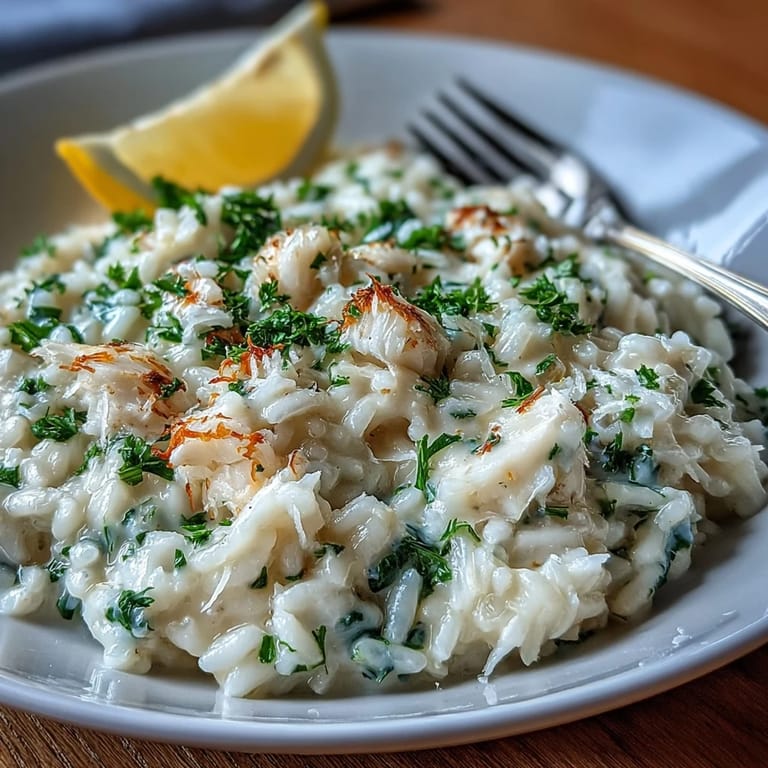
 One evening I served this to a friend who swore she didn't like risotto because it was always too heavy, and she scraped her bowl clean without saying a word until the end. Then she looked up and asked if I'd make it again next week. That's when I knew this version was different, lighter and brighter than the usual butter-bomb risottos, but still satisfying enough to feel like a proper meal.
How to Choose the Best Smoked Haddock
Avoid the bright yellow fillets, they've been dyed and often taste more artificial than smoky. Look for pale, creamy-colored fish with a clean, not overpowering, smoky smell. If you can, ask the fishmonger for undyed, naturally smoked haddock, it makes all the difference in flavor and won't stain your risotto an alarming shade of ochre.
What to Do with Leftovers
Risotto doesn't reheat brilliantly on its own, but you can turn leftovers into crispy cakes by shaping them into patties, chilling them, and pan-frying in a little butter until golden. I've also stirred in a beaten egg and extra Parmesan, then baked spoonfuls in a muffin tin for portable little risotto bites. Both options give the rice a second life and make for a quick, satisfying lunch the next day.
Pairing and Serving Suggestions
This risotto is rich enough to stand on its own, but a simple green salad with lemon vinaigrette cuts through the creaminess beautifully. A crisp Sauvignon Blanc or a dry Riesling works wonders alongside, their acidity balancing the smoky, buttery notes without fighting for attention. If you want to stretch the meal a bit further, serve it with crusty bread and good butter, though honestly, it rarely needs anything else.
- Serve immediately while the rice is still creamy and the fish is warm and tender.
- Garnish with extra parsley and a final grating of Parmesan at the table for anyone who wants more.
- Keep a little extra hot stock on hand in case the risotto thickens too much as it sits.
 Pin it
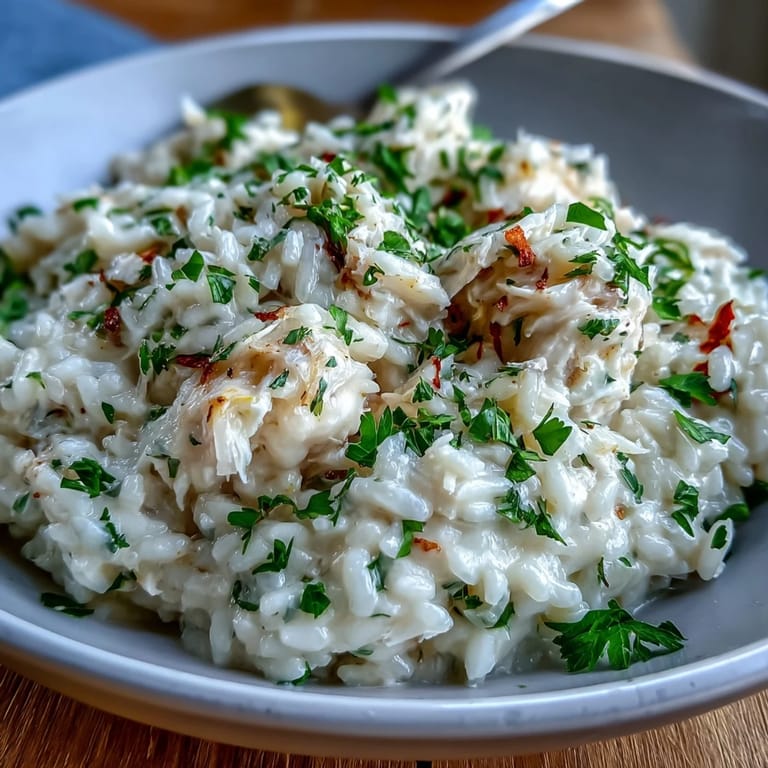
 There's something quietly satisfying about standing at the stove, stirring a pot of risotto while the world slows down for half an hour. This version, with its gentle smoke and bright lemon finish, never fails to feel like both an occasion and a comfort.
Recipe FAQs
- → Can I use fresh haddock instead of smoked?
Yes, but you'll lose the distinctive smoky flavor that defines this dish. If using fresh haddock, consider adding a pinch of smoked paprika for depth.
- → What type of rice works best for this risotto?
Arborio or Carnaroli rice are ideal due to their high starch content, which creates the signature creamy texture. Avoid long-grain rice as it won't achieve the same consistency.
- → How do I know when the risotto is properly cooked?
The rice should be al dente—tender but with a slight bite in the center. The overall texture should be creamy and flow slightly when plated, not stiff or watery.
- → Can I prepare this dish ahead of time?
Risotto is best served immediately. However, you can poach the haddock and prepare the aromatics in advance, then cook the rice fresh when ready to serve.
- → What can I substitute for fish stock?
Vegetable stock works well and maintains the pescatarian profile. Chicken stock is also acceptable, though it will alter the flavor slightly.
- → Is undyed smoked haddock important?
Undyed haddock has a more natural, delicate flavor without artificial coloring. Dyed versions work but may have a slightly stronger, less refined taste.