 Pin it
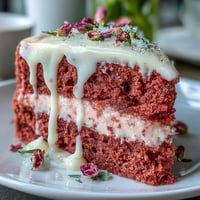
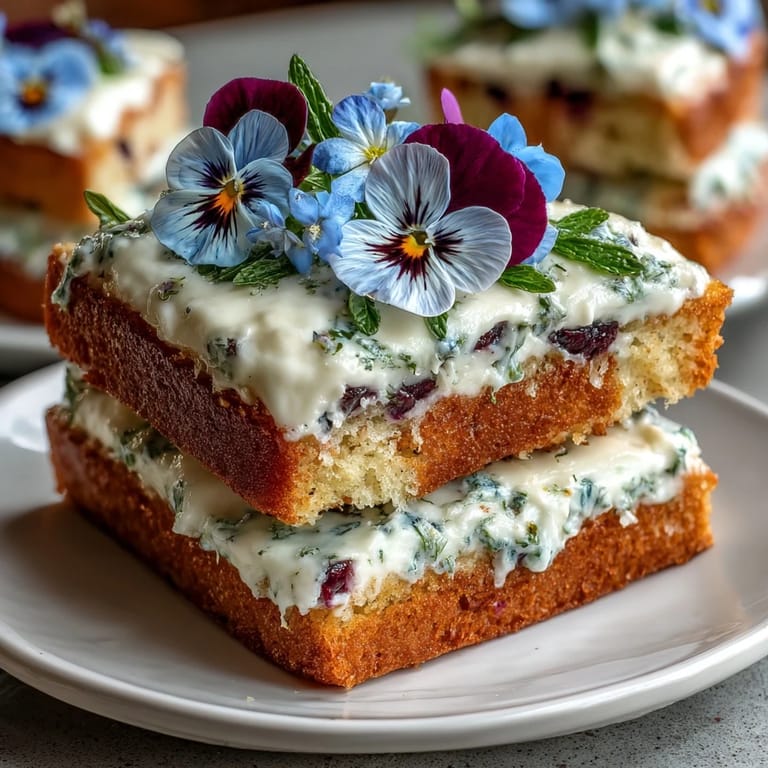
 Last summer, my neighbor handed me a bundle of violets she'd grown, wrapped in damp paper towels, and asked if I could make something beautiful with them. I'd never worked with pressed flowers before, but standing in my kitchen with those tiny purple petals, I suddenly understood why people describe certain desserts as edible art. This spring cake became my answer—a tender vanilla layer cake cradling clouds of whipped cream, finished with flowers so delicate they look like they might blow away. The result felt like bringing the garden inside, one slice at a time.
I made this for my mom's book club, and watching the women pause mid-conversation to admire the cake before cutting into it reminded me why presentation matters as much as taste. One guest asked where I'd bought it from a bakery—her surprise when I said I'd made it from scratch felt like the highest compliment I could receive.
Ingredients
- All-purpose flour (2 1/2 cups): Sifting it with the baking powder and salt ensures even distribution and prevents dense pockets in your cake.
- Baking powder (2 1/2 tsp): This is your lift—don't skimp or substitute with baking soda unless you adjust the recipe.
- Salt (1/2 tsp): A small pinch that brings out the vanilla without making the cake taste salty.
- Unsalted butter (1 cup), softened: Softened butter creams into fluffy clouds when beaten with sugar, creating an airy crumb.
- Granulated sugar (1 3/4 cups): This sweetness is gentle enough not to overpower the delicate flavor profile.
- Large eggs (4), room temperature: Cold eggs won't incorporate smoothly into the batter, so let them sit on the counter for 30 minutes first.
- Pure vanilla extract (1 tbsp): This is the soul of the cake—use real vanilla, never imitation, as it makes a noticeable difference in flavor.
- Whole milk (1 cup), room temperature: Alternating milk and flour creates a tender crumb and keeps the batter from becoming overly dense.
- Heavy whipping cream (2 cups), cold: Keep this in the fridge until the moment you're ready to whip it—cold cream whips faster and holds peaks better.
- Powdered sugar (1/2 cup): This dissolves instantly into the cream, unlike granulated sugar which can leave a grainy texture.
- Pressed edible flowers (1/2–1 cup): These must be grown without pesticides and pressed flat for at least 24 hours between parchment and heavy books.
Tired of Takeout? 🥡
Get 10 meals you can make faster than delivery arrives. Seriously.
One email. No spam. Unsubscribe anytime.
Instructions
- Set up and preheat:
- Heat your oven to 350°F and line two 8-inch cake pans with parchment paper so the cakes slide out cleanly. This step takes two minutes but prevents an hour of frustration.
- Combine your dry ingredients:
- Sift flour, baking powder, and salt together into a bowl—this aerates the flour and distributes the leavening evenly. Set it aside and don't peek.
- Cream butter and sugar:
- Beat softened butter and sugar together for 3-4 minutes until the mixture looks pale, fluffy, and almost mousse-like. This is where the magic happens; don't rush this step.
- Add eggs one by one:
- Drop in one egg, beat for 30 seconds, repeat with the remaining three eggs. Each one takes a moment to incorporate, but this creates the structure that keeps your cake tender.
- Stir in vanilla:
- A single tablespoon of pure vanilla extract goes in now, giving the entire cake its gentle, elegant flavor.
- Alternate flour and milk:
- Add a third of the flour mixture, then half the milk, then another third of flour, then the remaining milk, then the final flour portion—always ending with flour. Mix gently just until combined; overmixing toughens the cake.
- Divide and bake:
- Pour batter evenly between pans, smooth the tops, and bake for 30-35 minutes until a toothpick comes out clean. The kitchen will smell like warm vanilla and butter.
- Cool with patience:
- Let cakes rest in pans for 10 minutes, then turn them out onto wire racks to cool completely. Frosting warm cake creates a melted mess, so don't skip this waiting period.
- Whip the cream:
- In a chilled bowl, beat cold heavy cream with powdered sugar and vanilla until stiff peaks form—about 2-3 minutes with an electric mixer. Stop when you see firm, glossy peaks; overbeating turns it into butter.
- Layer and frost:
- Place one cooled cake on your serving plate, spread a generous layer of whipped cream on top, set the second cake on top, then frost the top and sides smoothly. An offset spatula makes this easier but a regular knife works fine.
- Decorate with flowers:
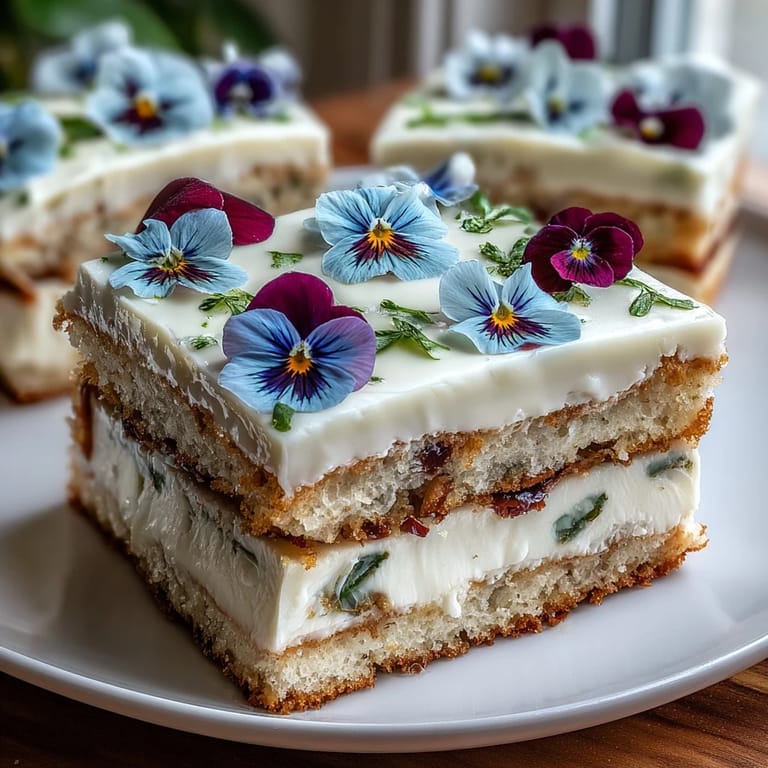
- Gently press your pressed flowers directly onto the frosting, arranging them where they look most beautiful to you. Fresh mint leaves fill any gaps and add a pop of green.
- Chill before serving:
- Refrigerate the finished cake for at least 30 minutes so the frosting firms up and the flowers set in place. This also keeps everything fresh and ensures clean slices.
 Pin it
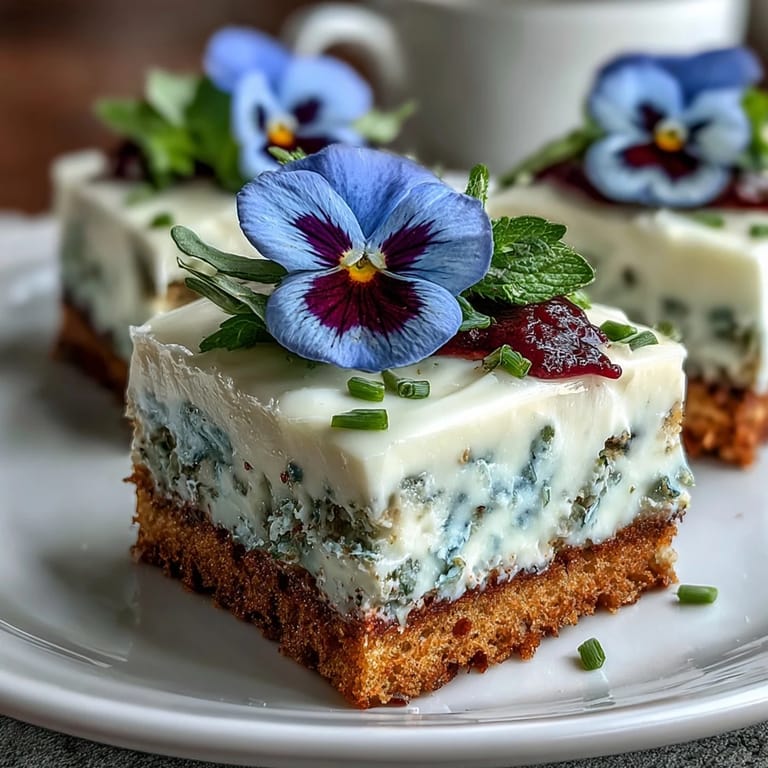
 The first time I brought this cake to a spring party, it rained so hard I thought about canceling. But arriving with a cake that looked like an indoor garden somehow made the gray day feel brighter—like edible proof that flowers still existed somewhere. That's when I realized this cake isn't just dessert; it's a small act of bringing beauty to the table.
Choosing and Pressing Your Flowers
The flower choice makes or breaks the visual impact, so think about color harmony and delicacy. Violets, pansies, nasturtiums, and rose petals press beautifully and look stunning against white frosting. To press them properly, lay flowers between two sheets of parchment paper, place them between the pages of a heavy book, and let them sit for at least 24 hours in a dry place—longer is fine, and they'll keep for weeks in a cool cupboard once pressed.
Storage and Make-Ahead Tips
This cake actually improves if you bake the layers a day ahead and wrap them tightly in plastic wrap—the crumb becomes more tender and moist overnight. Whip the cream and decorate with flowers no more than 4 hours before serving, since the cream softens and flowers can absorb moisture from the air. Store everything in the refrigerator, and it stays fresh for up to 2 days, though slices are prettiest on day one.
Variations Worth Trying
Once you master the basic recipe, small changes create entirely different cakes. A teaspoon or two of lemon zest in the batter adds brightness without changing the technique, and some bakers swear by a whisper of almond extract mixed with the vanilla for depth. The frosting can be lightened with a touch of mascarpone, or you can layer fresh berries between the cake and cream for tartness that balances the sweetness. Try these small experiments until you find your version.
- Lemon zest brings citrusy freshness that pairs beautifully with delicate floral decorations.
- A tablespoon of cream cheese in the frosting adds subtle tang and helps it hold up longer.
- Edible flowers like cornflowers and calendula offer different colors if your first choice isn't available.
 Pin it
 There's something quietly magical about serving a cake decorated with real flowers—it says you took time to make something thoughtful, not just delicious. This recipe gives you the permission to do exactly that.
Recipe FAQs
- → How do I press edible flowers properly?
Press flowers between parchment paper under heavy books for at least 24 hours to flatten and preserve their color before decorating.
- → Can I substitute heavy cream in the frosting?
For best results, use cold heavy cream to achieve stiff peaks; substitutes may affect the texture and stability of the frosting.
- → What flowers are safe for decorating this cake?
Use organically grown edible flowers such as violets, pansies, nasturtiums, rose petals, and chamomile, ensuring they are pesticide-free.
- → How do I ensure the cake stays moist?
Do not overmix the batter; alternate flour and milk gently. Baking until a toothpick comes out clean also helps maintain moistness.
- → Can I add flavor variations to the cake?
Yes, adding 1–2 teaspoons of lemon zest to the batter provides a citrusy twist that complements the floral decoration.