 Pin it
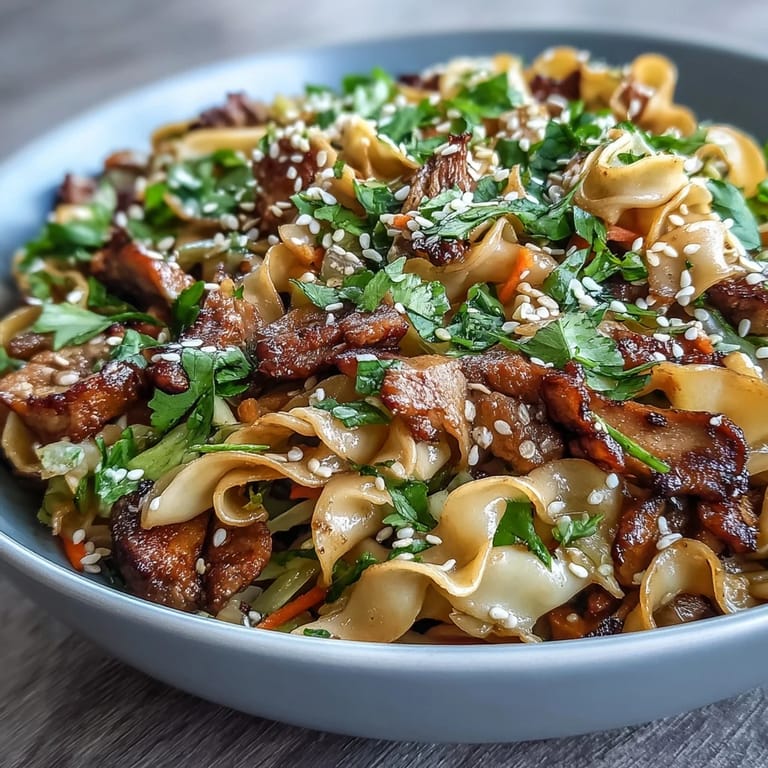
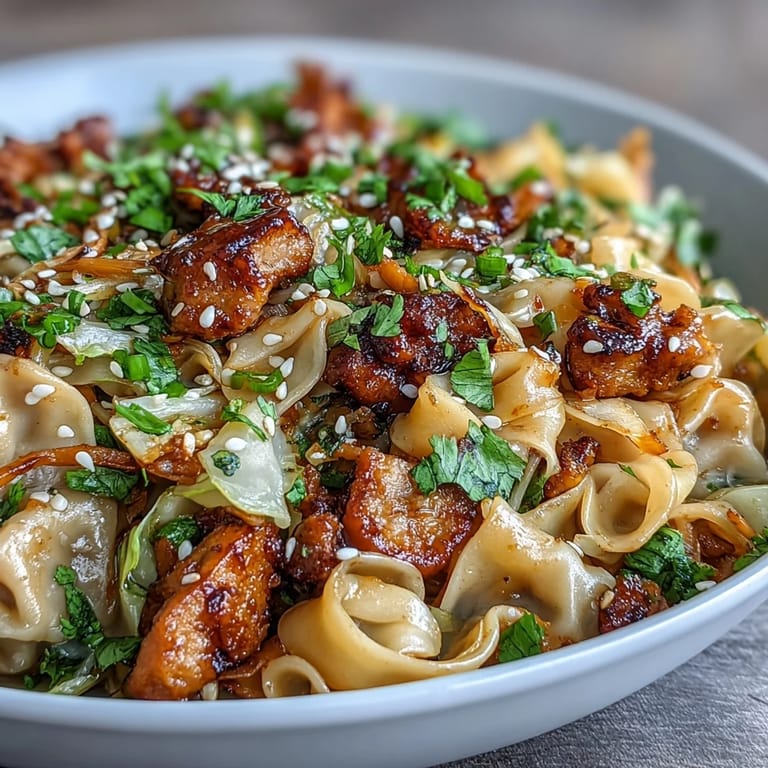
 The sound of sizzling pork hitting a hot wok always reminds me why I started making these bowls in the first place. I was craving potstickers on a Tuesday night but didn't have the patience to fold dumplings, so I tossed everything into a skillet with noodles instead. The result was better than I expected: crispy browned meat, tangy sauce, and that unmistakable sesame aroma filling the kitchen. Now it's the dinner I make when I want something satisfying without the fuss.
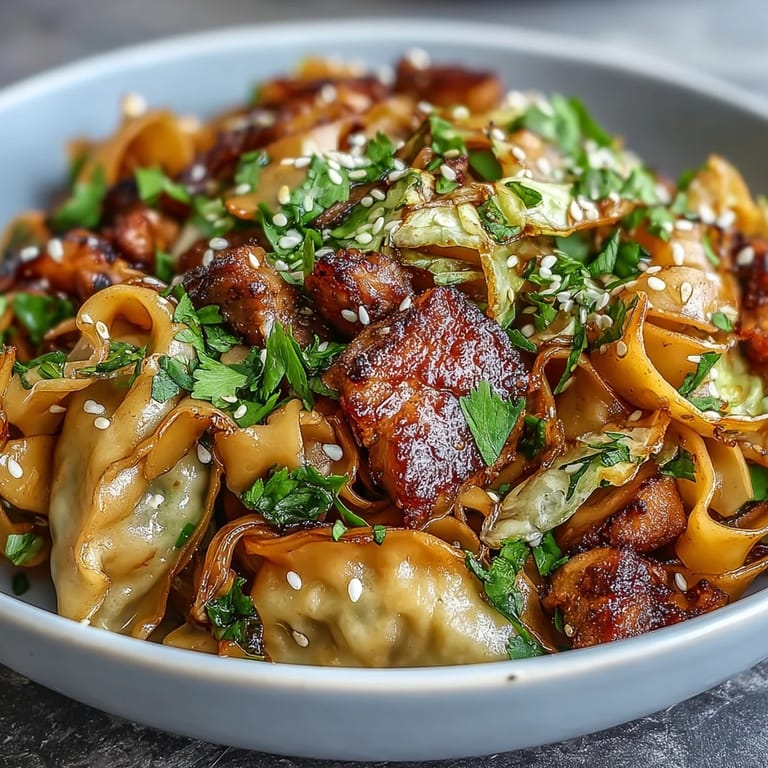
I made this for friends one night when I promised them homemade dumplings and completely ran out of time. They walked in just as I was tossing the noodles with the sauce, and instead of apologizing, I just served it in wide bowls with plenty of green onions and sesame seeds on top. One of them said it tasted like deconstructed potstickers, and honestly, that's exactly what it is. No one missed the wrappers.
Ingredients
- Rice noodles or lo mein noodles: Rice noodles give you a lighter, gluten-free option, while lo mein adds chew and heartiness.
- Ground pork or chicken: Pork has the richest flavor, but chicken works beautifully if you prefer something leaner.
- Soy sauce, sesame oil, and cornstarch: This trio seasons the meat and helps it brown with crispy, flavorful edges.
- White pepper: It adds a subtle heat that's more aromatic than black pepper, though black pepper works in a pinch.
- Garlic and ginger: Fresh is essential here for that bright, pungent backbone that makes the dish come alive.
- Green cabbage and carrots: They add crunch and sweetness, balancing the savory sauce perfectly.
- Shiitake or cremini mushrooms: Mushrooms bring umami depth and a meaty texture that complements the pork.
- Rice vinegar and chili-garlic sauce: These give the sauce its tangy, spicy kick that mimics a classic potsticker dipping sauce.
- Oyster sauce: It adds a subtle briny sweetness that rounds out the soy and vinegar.
- Toasted sesame seeds and cilantro: Fresh garnishes that add texture and brightness to every bowl.
Tired of Takeout? 🥡
Get 10 meals you can make faster than delivery arrives. Seriously.
One email. No spam. Unsubscribe anytime.
Instructions
- Prepare the noodles:
- Boil the noodles until just tender, then drain and rinse briefly to stop the cooking. Toss them with a few drops of oil so they don't clump together while you work on everything else.
- Season the meat:
- Whisk the soy sauce, sesame oil, cornstarch, white pepper, sugar, and salt together, then mix it gently into the ground pork or chicken until it feels slightly sticky. If you're adding minced cabbage, fold it in now for extra moisture and flavor.
- Make the sauce:
- Combine soy sauce, rice vinegar, oyster sauce, chili-garlic sauce, sesame oil, brown sugar, and broth in a bowl and whisk until smooth. Taste it and adjust the heat or sweetness to your liking.
- Prepare the vegetables:
- Shred the cabbage and carrots, slice the mushrooms, and separate the white and green parts of the green onions. Having everything ready makes the stir-fry go quickly and smoothly.
- Brown the meat:
- Heat oil in a large skillet or wok over medium-high heat, then add the seasoned meat in an even layer and let it sit undisturbed for a few minutes to get those crispy, caramelized edges. Break it up and cook until golden all over.
- Add aromatics:
- Push the meat aside, add a bit more oil, then toss in the garlic, ginger, and white parts of the green onions. Stir for about 30 seconds until the kitchen smells incredible, then mix everything together.
- Cook vegetables:
- Add the mushrooms first and let them soften, then toss in the cabbage and carrots and stir-fry until they're wilted but still have a bit of crunch. If the pan looks dry, splash in a little water.
- Combine with sauce:
- Pour the sauce over the meat and vegetables and toss everything together. Let it simmer for a minute or two until the sauce thickens and clings to everything.
- Add noodles:
- Toss the cooked noodles into the skillet and mix gently but thoroughly until every strand is coated in sauce. Add a splash of water or broth if it seems too dry, and fold in the bean sprouts at the very end if you're using them.
- Finish and serve:
- Taste and adjust the seasoning with more soy sauce, chili-garlic sauce, or a squeeze of lime if needed. Stir in half the green onion tops, then divide the noodles into bowls and top with the rest of the green onions, cilantro, and sesame seeds.
 Pin it
  Pin it
 The first time I served this to my family, my mom said it reminded her of the noodle stalls she used to visit growing up. She didn't mean it was authentic, just that it had that same comforting, savory warmth that made you want to keep eating. That's when I realized this dish wasn't trying to be anything other than what it is: familiar flavors in a new, easier form.
Choosing Your Noodles
Rice noodles are my go-to because they soak up the sauce beautifully and have a delicate, slippery texture that feels light even with the rich pork. If you want something heartier, lo mein noodles have more chew and hold up well to tossing in the wok. I've also used udon in a pinch, which turns the dish into something thicker and more substantial. Whatever you choose, just make sure not to overcook them, they'll soften a bit more when you toss them with the hot sauce and vegetables.
Making It Your Own
This recipe is flexible enough to handle whatever you have on hand. I've swapped ground turkey for pork when I wanted something lighter, and I've used crumbled tofu for a vegetarian version that was surprisingly satisfying. If you don't have shiitake mushrooms, button mushrooms or even zucchini work just fine. Sometimes I add a handful of snap peas or baby bok choy if I have them, and they always fit right in. The sauce is the constant, everything else can change based on your mood or your fridge.
Serving and Storing
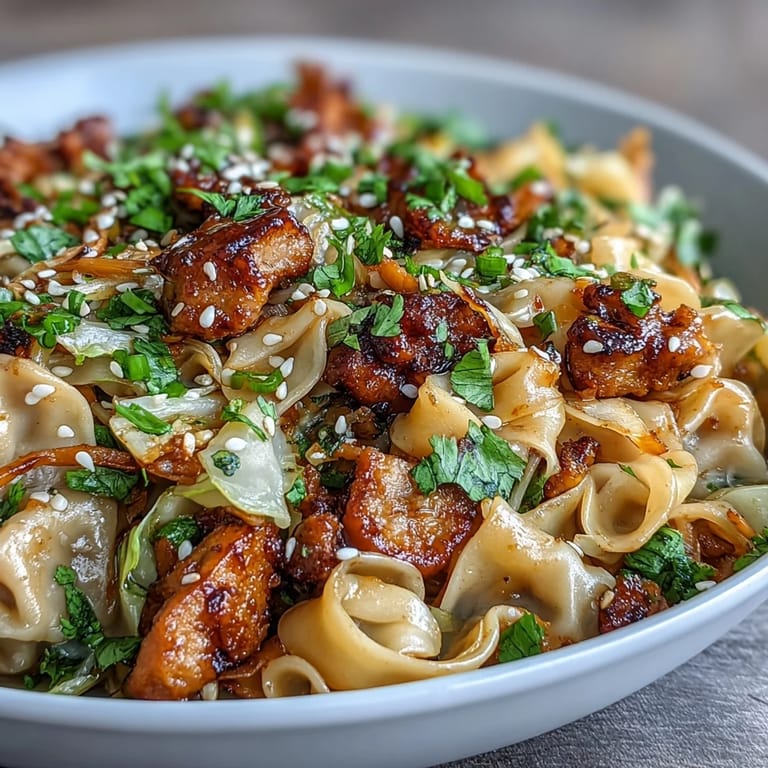
I like to serve these bowls with lime wedges and extra chili-garlic sauce on the side so everyone can adjust the heat and brightness to their taste. A soft-boiled egg on top turns it into a more luxurious meal, and the runny yolk mixes into the sauce in the best way. Leftovers keep well in the fridge for up to three days, though the noodles will absorb more sauce as they sit. When you reheat them, add a splash of water or broth and toss them in a hot skillet to bring them back to life.
- Garnish generously with fresh cilantro and sesame seeds for texture and color.
- Serve with a side of pickled vegetables or a simple cucumber salad for contrast.
- If you love spice, drizzle a bit of chili oil over the top just before serving.
 Pin it
  Pin it
 This dish has become my answer to weeknight cravings that feel too complicated to satisfy. It's quick, forgiving, and always delivers that savory, garlicky comfort I'm looking for.
Recipe FAQs
- → What makes this taste like potstickers?
The seasoning blend mirrors traditional dumpling filling with soy sauce, sesame oil, ginger, garlic, white pepper, and sugar. The savory sauce combines the same flavors found in potsticker dipping sauces—soy, vinegar, chili-garlic paste, and sesame oil—creating that recognizable umami profile.
- → Can I use different proteins?
Ground chicken works equally well and creates a lighter bowl. Ground turkey offers a leaner option, while ground beef provides richer flavor. Plant-based ground meat substitutes also work beautifully. The seasoning technique remains the same regardless of protein choice.
- → What noodles work best?
Rice noodles are ideal for gluten-free versions and absorb the sauce beautifully. Lo mein or wheat-based noodles offer more chew and stand up well to hearty toppings. Udon noodles work for a thicker, more substantial bowl. Cook according to package directions and rinse to prevent sticking.
- → How do I prevent the noodles from getting mushy?
Cook noodles until just tender, slightly al dente since they'll absorb more sauce. Rinse briefly with cold water to stop cooking and toss with a few drops of oil. Add noodles to the skillet last and toss gently to combine. If reheating leftovers, add a splash of water or broth.
- → Can I make this gluten-free?
Use gluten-free tamari instead of regular soy sauce. Verify your oyster sauce is gluten-free or substitute with hoisin. Choose certified gluten-free rice noodles. The remaining ingredients are naturally gluten-free, making this an easy dish to adapt for dietary needs.
- → What vegetables can I substitute?
Napa cabbage or baby bok choy offer milder flavor and tender texture. Finely chopped kale adds nutritional density. Snow peas or snap peas provide crunch. Bell peppers add color and sweetness. Bean sprouts offer classic Asian noodle bowl texture and freshness.
- → How spicy is this dish?
The chili-garlic sauce adds moderate heat that's adjustable. Start with one teaspoon for mild warmth, increase to two tablespoons for bold spice. The sesame oil, soy, and sugar balance the heat. Serve with extra chili-garlic sauce on the table so diners can customize their spice level.