 Pin it
 My kitchen counter was splattered with crimson juice the morning I tried to zest a blood orange without cutting it first. The scent hit me instantly—sharp, sweet, almost floral—and I knew this cake would be different from anything I'd baked before. I'd picked up a bag of blood oranges on a whim at the market, drawn to their dark, moody skins. That day, I learned marzipan isn't just for Christmas cookies, and poppy seeds aren't only for bagels. This loaf became my excuse to celebrate winter citrus in the most indulgent way possible.
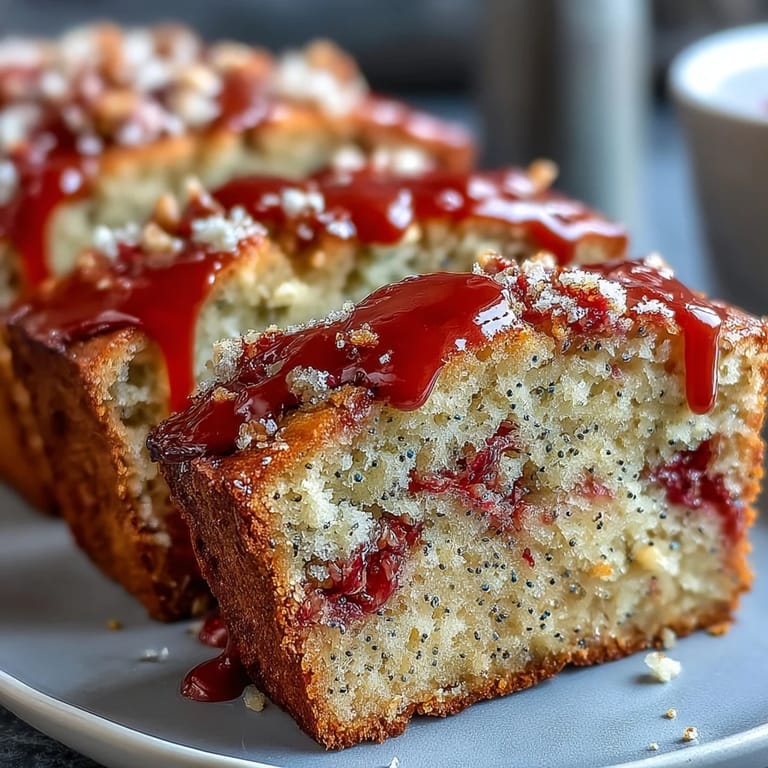
I brought this cake to a brunch where everyone expected the usual banana bread. When I sliced into it and revealed that pink-tinged crumb dotted with tiny black seeds, the table went quiet. One friend asked if I'd added food coloring. I hadn't—just the magic of blood oranges. We ate the entire loaf in one sitting, paired with strong coffee and too much butter. It's been my brunch secret weapon ever since.
Ingredients
- All-purpose flour: The backbone of the loaf, giving it structure without making it heavy—sift it if you want an even lighter crumb.
- Baking powder: This is what gives the cake its tender rise, so make sure yours is fresh or it won't lift properly.
- Salt: Just a pinch to balance the sweetness and let the citrus flavors shine through.
- Poppy seeds: They add texture and a subtle earthiness that keeps the cake from being too sweet.
- Unsalted butter: Softened to room temperature so it creams beautifully with the sugar and creates a fluffy base.
- Granulated sugar: Sweetens the cake and helps create that light, airy texture when beaten with the butter.
- Blood orange zest: The oils in the zest pack the most intense citrus flavor, so don't skip this step.
- Eggs: They bind everything together and add richness—bring them to room temperature for the smoothest batter.
- Marzipan: Grate it finely so it melts into the batter, adding moisture and a delicate almond flavor.
- Blood orange juice: The star of the show, giving the cake its color and bright, tangy flavor.
- Whole milk: Adds tenderness and helps balance the acidity of the citrus.
- Vanilla extract: A warm backdrop that lets the orange and almond notes stand out.
- Powdered sugar: For the glaze, it dissolves smoothly and creates a glossy, sweet finish.
- Blood orange juice for glaze: Use just enough to make it pourable but not too thin—you want it to cling to the cake.
Tired of Takeout? 🥡
Get 10 meals you can make faster than delivery arrives. Seriously.
One email. No spam. Unsubscribe anytime.
Instructions
- Prep the Pan:
- Preheat your oven to 175°C and line your loaf pan with parchment paper, leaving some overhang so you can lift the cake out easily later. Grease it lightly to be safe.
- Mix the Dry Ingredients:
- Whisk together the flour, baking powder, salt, and poppy seeds in a bowl. Set it aside while you work on the wet ingredients.
- Cream the Butter and Sugar:
- Beat the softened butter, sugar, and blood orange zest until it's pale and fluffy—this takes about three minutes and is crucial for a light texture. Don't rush it.
- Add the Eggs:
- Beat in the eggs one at a time, making sure each one is fully incorporated before adding the next. The mixture should look smooth and glossy.
- Fold in the Marzipan:
- Gently fold in the grated marzipan until it's evenly distributed throughout the batter. You'll see little flecks of almond paste.
- Combine the Liquids:
- In a separate bowl, whisk together the blood orange juice, milk, and vanilla extract. This keeps the batter from curdling when you add it.
- Alternate Wet and Dry:
- Add the dry ingredients in three parts, alternating with the blood orange mixture, starting and ending with the dry. Mix gently just until combined—overmixing will make the cake tough.
- Bake the Loaf:
- Pour the batter into the prepared pan, smooth the top, and bake for 45 to 55 minutes. A toothpick inserted in the center should come out clean or with just a few moist crumbs.
- Cool and Glaze:
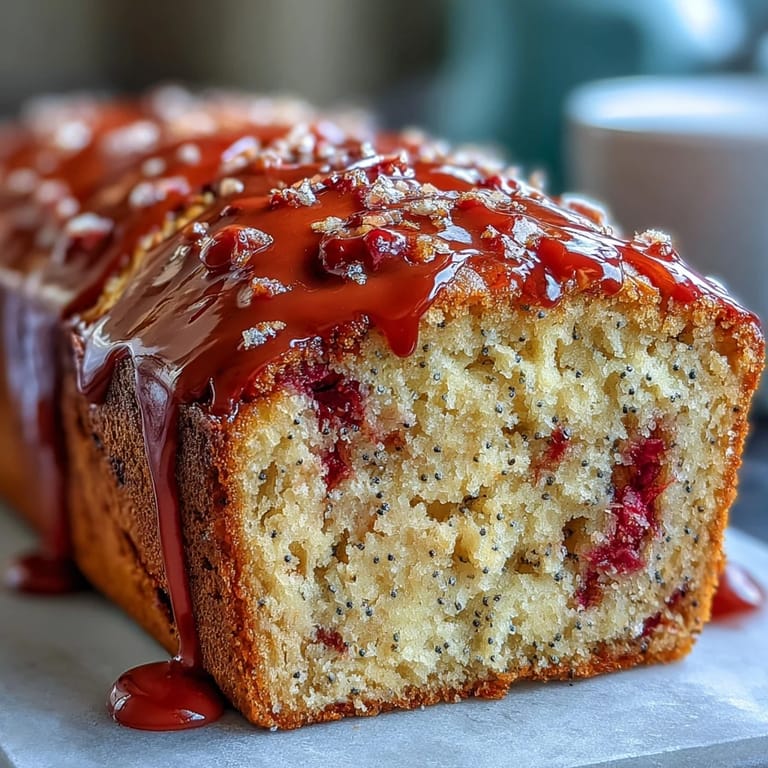
- Let the cake cool in the pan for 10 minutes, then transfer it to a wire rack. Once it's completely cool, whisk together the powdered sugar and blood orange juice, then drizzle it over the top.
 Pin it
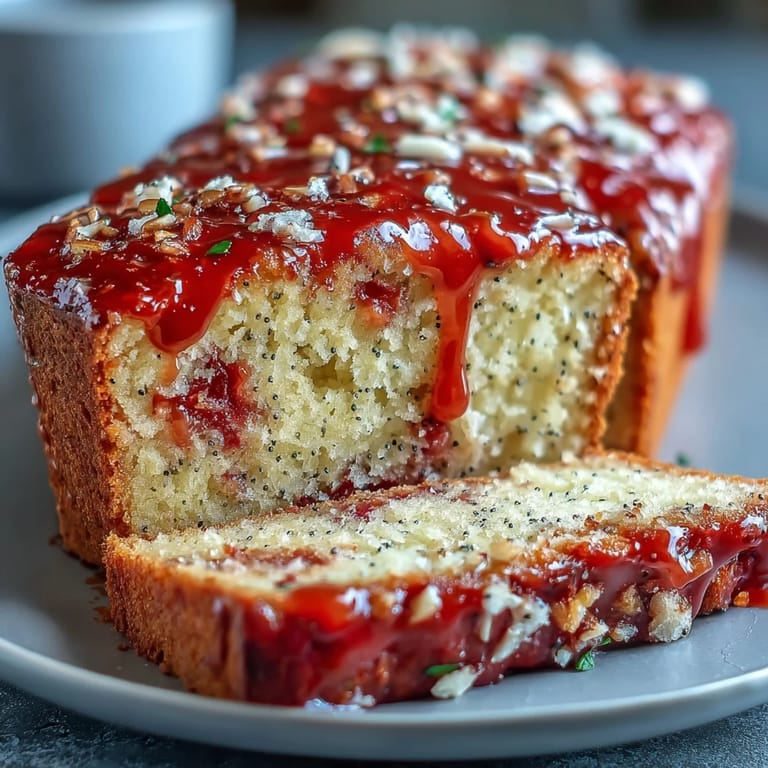
 The first time I sliced into this loaf, still warm from the oven, the smell of orange and almond filled my kitchen like a memory I hadn't lived yet. I ate a piece standing at the counter, no plate, no fork, just my fingers and the quiet hum of the fridge. It tasted like something worth slowing down for. That's when I realized some recipes aren't just about feeding people—they're about giving yourself permission to savor something beautiful.
How to Store and Serve
This loaf keeps beautifully at room temperature in an airtight container for up to three days, though it rarely lasts that long in my house. The citrus and marzipan keep the crumb moist, so it actually tastes even better on day two. If you want to make it ahead, wrap it tightly in plastic wrap before glazing and it will stay fresh. Serve it with a pot of Earl Grey tea, a dollop of mascarpone, or even a glass of chilled Prosecco for something a little fancy.
Swaps and Variations
If you can't find blood oranges, regular oranges work just fine—you'll lose the dramatic color but the flavor will still be bright and lovely. Almond paste can replace marzipan if you want a deeper, less sweet almond flavor. For a boozy twist, add a tablespoon of orange liqueur to the glaze. I've also made this with lemon zest and juice when citrus season peaks, and it's just as good. You can even swap the poppy seeds for finely chopped pistachios if you want a bit of color and crunch.
What to Pair It With
This cake shines at brunch alongside soft scrambled eggs and smoked salmon, or as an afternoon treat with a strong coffee. I love it with a generous spread of salted butter or a smear of ricotta mixed with honey. It's also stunning on a dessert table next to fresh berries and whipped cream.
- Serve it warm with a scoop of vanilla ice cream for an easy dessert.
- Toast a slice and spread it with cream cheese for breakfast.
- Wrap individual slices in parchment and give them as edible gifts.
 Pin it
 Every time I bake this loaf, I'm reminded that the best recipes are the ones that make you pause, take a breath, and notice the small joys hiding in everyday ingredients. I hope this one does the same for you.
Recipe FAQs
- → Can I use regular oranges instead of blood oranges?
Yes, you can substitute regular oranges, though you'll lose the distinctive ruby color and slightly berry-like flavor. The cake will still be delicious with a traditional orange taste.
- → How do I know when the loaf cake is fully baked?
Insert a toothpick into the center of the cake. If it comes out clean or with just a few moist crumbs, the cake is done. The top should be golden and spring back when lightly pressed.
- → Can I make this cake ahead of time?
Absolutely. This loaf cake actually improves after a day as the flavors meld. Store it in an airtight container at room temperature for up to 3 days, or freeze for up to 3 months.
- → What can I substitute for marzipan?
Almond paste works well and provides a deeper almond flavor. You could also use finely ground almonds mixed with a bit of powdered sugar, though the texture will be slightly different.
- → Why is my glaze too thick or too thin?
Adjust the consistency by adding more powdered sugar to thicken or more blood orange juice to thin. The glaze should be pourable but thick enough to coat the back of a spoon.
- → Can I add other ingredients to this cake?
Certainly! Try adding white chocolate chips, dried cranberries, or a swirl of raspberry jam. A splash of orange liqueur in the batter adds sophisticated depth to the flavor profile.